
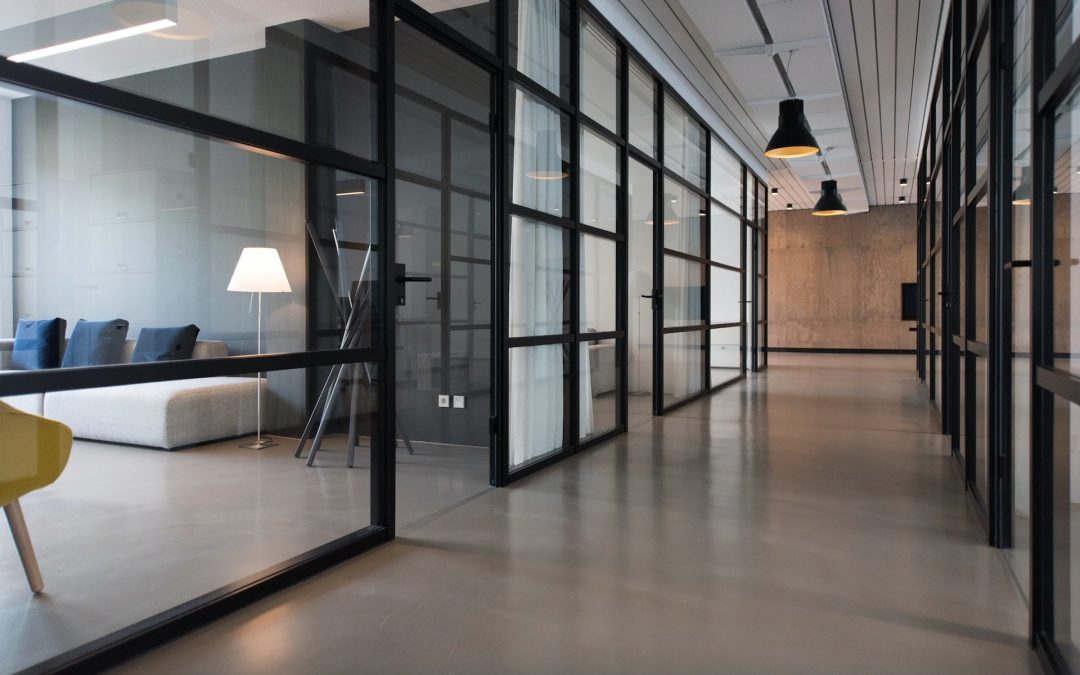
The modern workplace is continually evolving as businesses prioritize employee well-being, productivity, and collaboration. An exceptional office space can contribute significantly to staff morale, efficiency, and overall company performance. As a result, commercial remodeling and effective space planning are vital tools for updating workspaces, accommodating changing needs, and creating a thriving work environment that fosters growth and success.
In this comprehensive guide, we will explore the fundamental principles of office remodeling and space planning, highlighting best practices and innovative ideas to maximize employee productivity, collaboration, and satisfaction.
The Impact of Office Layout on Productivity and Collaboration
Office layout plays a crucial role in fostering a work environment that promotes productivity, efficiency, and collaboration. Poorly designed spaces can result in reduced employee satisfaction, increased stress levels, and diminished business performance. Research shows that an effective office layout can:
- Improve Employee Satisfaction: A comfortable, functional, and visually pleasing workplace can boost overall employee satisfaction, leading to higher morale, engagement, and retention.
- Encourage Collaboration: A supportive layout featuring shared workspaces, meeting areas, and dedicated collaboration zones can facilitate teamwork and enhance communication among employees.
- Enhance Productivity: Organized spaces with appropriate space planning and minimal distractions allow staff to focus and perform their tasks more efficiently.
Principles of Effective Office Space Planning
Effective office space planning involves optimizing the workspace layout for function, form, and flow. Here are five key components to consider when planning your office remodel:
- Flexibility and Adaptability: Design spaces that can be easily modified to accommodate changing needs or trends, such as movable walls, modular furniture, and adaptable workstations.
- Employee Needs Assessment: Involve your employees in the remodeling process, taking into consideration their feedback and preferences to create a workspace tailored to their needs.
- Balance of Function and Aesthetics: Carefully blend aesthetically pleasing elements with functional design, ensuring that the work environment is both visually appealing and efficient.
- Ergonomics and Comfort: Prioritize ergonomic furniture and design elements to reduce strain, support employee well-being, and enhance productivity.
- Efficient Work Flow: Plan pathways and spaces that facilitate fluid movement, communication, and access to necessary resources.
Striking the Balance: Open Layout Vs. Privacy
Creating a workspace that accommodates both open collaboration and individual privacy can be a challenging balancing act. However, it is crucial to discover the right combination to satisfy diverse work styles and needs. Consider the following when designing a blended office environment:
- Open Workspaces: Incorporate open-concept workstations strategically throughout the office to encourage communication and collaboration while maintaining organized and functional spaces.
- Quiet and Focus Zones: Create dedicated areas for quiet work, focus, or concentration, providing employees with a space to work on individual tasks or sensitive projects without distraction.
- Collaborative Meeting Spaces: Allocate spaces for group meetings and brainstorming sessions to facilitate teamwork and idea-sharing.
- Semi-Private Spaces: Include semi-private workstations or cubicles to allow employees to benefit from the energy of an open layout while maintaining some level of personal space and privacy.
Technological Integration: Fostering a Modern Workplace
Integrating technology into the office environment is essential for creating an efficient and connected workplace. Technology can encourage productivity, foster collaborative efforts, and facilitate communication. Consider these technology integrations for your office remodel:
- Reliable High-Speed Internet: Offer a high-speed and dependable internet connection for smooth operations, online collaboration, and ease of communication.
- Wireless Charging Stations: Install wireless charging stations throughout the office to ensure employee devices can always remain charged and functional.
- Advanced Video Conferencing Systems: Implement sophisticated video conferencing systems in meeting rooms to enable seamless remote collaboration and communication.
- Smart Lighting and Climate Control: Incorporate smart lighting and climate control systems that adjust based on occupancy and natural light, contributing to an energy-efficient and comfortable environment.
The Benefits of Biophilic Design and Office Spaces
A growing trend in office design is the incorporation of biophilic design elements—infusing natural elements and materials into the workspace to promote employee wellbeing, productivity, and satisfaction. Biophilic design can be implemented in various ways, including:
- Natural Light: Maximize the use of natural light through large windows, skylights, and open floor plans, reducing dependence on artificial lighting and improving employee mood.
- Greenery: Integrate plants, green walls, and indoor gardens to improve air quality, reduce stress, and create a soothing work environment.
- Nature-Inspired Materials: Use materials such as wood, stone, or bamboo in furnishings, floors, and walls to create a connection between the indoors and the natural world.
Accessibility and Inclusiveness in Office Remodeling
An inclusive and accessible office design ensures that all employees, regardless of abilities or limitations, can comfortably and effectively utilize the work environment. Consider the following when planning an accessible and inclusive office remodel:
- ADA Compliance: Ensure that your office layout and facilities comply with the Americans with Disabilities Act (ADA) guidelines, including proper doorway widths, restroom accommodations, and pathway clearances.
- Ergonomic Workstations: Provide adjustable, adaptable, and ergonomic workstations that can be easily modified to accommodate different employees’ needs and preferences.
- Universal Design: Incorporate design elements that cater to a variety of abilities and limitations, such as color schemes that improve visibility for low-vision employees or acoustic barriers that reduce noise for employees who are sensitive to sound.
Collaborating with Remodel Professionals of Idaho for Your Office Remodel
Partnering with experienced and reliable commercial remodeling and tenant improvement specialists is essential for a successful office remodel. Remodel Professionals of Idaho can provide the expertise, craftsmanship, and dedication necessary to bring your vision to life. Working closely with you to understand your needs and goals, the team at Remodel Professionals of Idaho will help create a functional and inspiring work environment that supports employee productivity and well-being.
Conclusion
An effective office remodeling project can significantly impact employee productivity, collaboration, and satisfaction. By focusing on strategic space planning, flexible and accessible design, and the integration of technology and biophilic elements, businesses can create a work environment that fosters innovation, engagement, and growth.
If you are in need of an expert for commercial refurbishment or remodeling, Remodel Professionals of Idaho is your go-to. Our skilled team can manage all sizes of commercial remodeling projects in the Idaho Falls region. We aim to make your commercial remodeling project stress-free by overseeing all aspects from start to finish. Whether you want to extend your current premises or revamp a specific section, our team has got you covered. Our commercial remodeling and renovation services are custom-made to suit your requirements while offering professional guidance at every stage. Contact us to find out more about our services!