
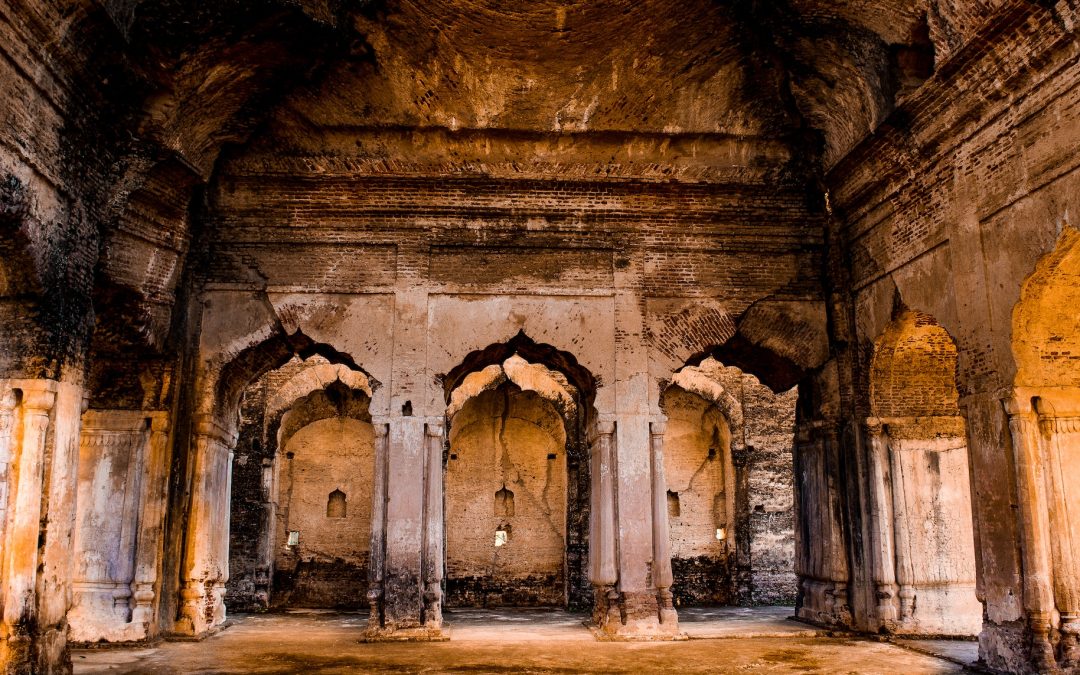
Historic buildings carry a unique charm and a tangible link to our past, imbuing landscapes with diversity and character. As time passes, these structures require careful preservation to maintain their integrity, yet must also adapt to stay relevant and functional in a modern context. This is where remodeling comes into play, melding the old with the new and breathing new life into grand, bygone structures. However, navigating the path of remodeling a historic building can be complex, requiring a deep understanding of preservation principles, architectural integrity, and innovative construction techniques. In this blog post, we open the doors to the captivating world of historic building remodeling, exploring its importance, strategies for a successful remodel, and the benefits of green remodeling in the historic building context.
When approaching a historic building project, there are many factors to consider. From respecting the original design and adhering to local preservation guidelines to tackling common challenges like outdated plumbing or electrical systems, and improving energy efficiency, the journey of remodeling a historic building is an intricate dance between preservation and modernization. It involves carefully retaining significant historic, architectural, and aesthetic elements, while incorporating modern conveniences and ensuring the structure’s usability for contemporary purposes.
In this educational and informative guide, Remodel Professionals of Idaho will delve into the importance of preserving historic buildings, illustrate the difference between remodeling and restoration, outline effective strategies, and highlight the common hurdles faced during the process. Additionally, we will introduce ‘green remodeling’ principles applicable to historic buildings and how they contribute to the structure’s longevity and sustainability. Lastly, we will focus on how our team’s proficiency and experience in commercial remodeling and tenant improvements can provide a smooth, successful journey in historic building remodeling. Stay with us as we traverse through time, appreciating the time-honored allure of historic buildings and how we can enhance their longevity and fruitfulness through thoughtful remodeling.
The Importance of Preserving Historic Buildings
Preserving historic buildings holds immense cultural significance, as these structures serve as a testament to our shared history, architectural prowess, and craftsmanship in a bygone era. Carefully maintaining these buildings not only enriches the aesthetic appeal of our cities and towns but also ensures cherished landmarks’ survival for future generations to appreciate. Furthermore, preservation can be economically efficient, promoting reutilization and discouraging unnecessary demolition, thereby reducing waste and conserving resources.
Remodeling Vs. Restoration: Knowing the Difference
When approaching a historic building project, it’s crucial to discern between remodeling and restoration. Remodeling a historic building involves altering its original design or structure to accommodate new functions or improve existing ones, while retaining the building’s character and architectural essence. Preservation and rehabilitation are vital aspects of remodeling, skillfully combining past cultural significance with modern functionality.
On the other hand, restoration entails returning a building to a specific time or condition in its history by preserving the elements authentic to that period and replacing lost or deteriorated features with replicas. Unlike remodeling, which often requires updates and modifications, restoration seeks to maintain the building as close to its original state as possible.
Strategies for Successful Historic Building Remodeling
Successfully remodeling a historic building requires a comprehensive approach considering various preservation principles, architectural integrity, local regulations, and innovation. Here are four strategies to guide your historic building remodeling project:
1. Assess and Document the Building’s Historical Significance
Start by meticulously researching and documenting the building’s history to create a solid foundation for your remodeling project. This information will help you understand the building’s architectural and cultural significance and identify which elements must be preserved during the remodel.
2. Work with Skilled Professionals and Craftsmen
Assemble a team of professionals experienced in historic building remodeling, including architects, engineers, and contractors. This skilled workforce will ensure that your project respects the building’s original architecture and incorporates modern updates seamlessly.
3. Respect the Building’s Architectural Integrity
Preserve the character-defining aspects of your building, such as unique architectural details, signature design elements, and materials. Prioritize the retention, repair, and, if necessary, the careful replacement of these features, using compatible materials and construction techniques to maintain their original appearance.
4. Comply with Local Preservation Guidelines and Building Codes
Familiarize yourself with local preservation guidelines, building codes, and any other regulations that may affect your project. This knowledge will help you successfully navigate the remodeling process while respecting legal requirements and ensuring the safety of all building occupants post remodel.
Dealing with Common Challenges in Historic Building Remodel
Remodeling a historic building presents several common challenges that demand innovative solutions and attention to detail. Some of these challenges include:
1. Outdated Infrastructure
Upgrading outdated mechanical, electrical, and plumbing systems in a historic building can be complex and challenging. Accurately assess the building’s current systems, design new installations with minimal disruption to historic elements, and work closely with experienced professionals.
2. Structural Issues
Be prepared to encounter structural challenges, such as deteriorating foundations, insufficient support systems, or water damage. Collaborate with a structural engineer to assess the building’s stability, identify necessary reinforcements or repairs, and integrate these solutions into the remodeling process.
3. Asbestos, Lead, and Other Hazardous Materials
Many historic buildings contain asbestos, lead, or other hazardous materials. Engage environmental consultants and work with remediation specialists to ensure the safe removal and disposal of these materials during the remodel.
Green Remodeling in Historic Buildings
Incorporating energy-efficient practices and eco-friendly solutions can significantly enhance a historic building’s sustainability and longevity. Consider the following green remodeling strategies:
1. Insulation and Air Sealing
Enhance energy efficiency by insulating walls, ceilings, and roofs, and sealing air leaks around windows and doors with weather-stripping or caulk.
2. Energy-Efficient Windows and Doors
Install energy-efficient windows and doors or retrofit existing ones by using storm windows, window films, or additional glazing.
3. Energy-Efficient Lighting and HVAC Systems
Opt for energy-efficient LED or CFL lighting and invest in a modern, energy-efficient HVAC system to reduce energy consumption and operational costs.
Working with Remodel Professionals of Idaho for Your Historic Building Project
Careful planning, skilled craftsmanship, and attention to detail are crucial ingredients for a successful historic building remodeling project. The experienced team at Remodel Professionals of Idaho specializes in commercial remodeling and tenant improvements, taking a dedicated and professional approach to ensure a seamless and impactful transformation. Our team understands the nuances of historic building remodeling and respects the architectural integrity of these structures while delivering innovative and practical solutions.
Conclusion
Preserving historic buildings through remodeling is an essential endeavor to celebrate our shared past, retain the architectural artistry of bygone eras, and ensure these magnificent structures continue to enrich our landscapes for future generations. With a team of passionate and skilled professionals, Remodel Professionals of Idaho is committed to providing impeccable service in your historic building remodeling journey. Contact us today to embark on a transformative experience that combines the old and the new, showcasing the beauty and potential of historical preservation and innovative regeneration.
Looking for a reliable and experienced remodeling contractor in Idaho Falls and Bonneville County? Look no further than Remodel Professionals of Idaho! Whether you need commercial remodeling, tenant improvements, bathroom or kitchen rebuilds, or any other home remodeling services, our team is here to help. Contact us today to discuss your project and get a free quote!
