
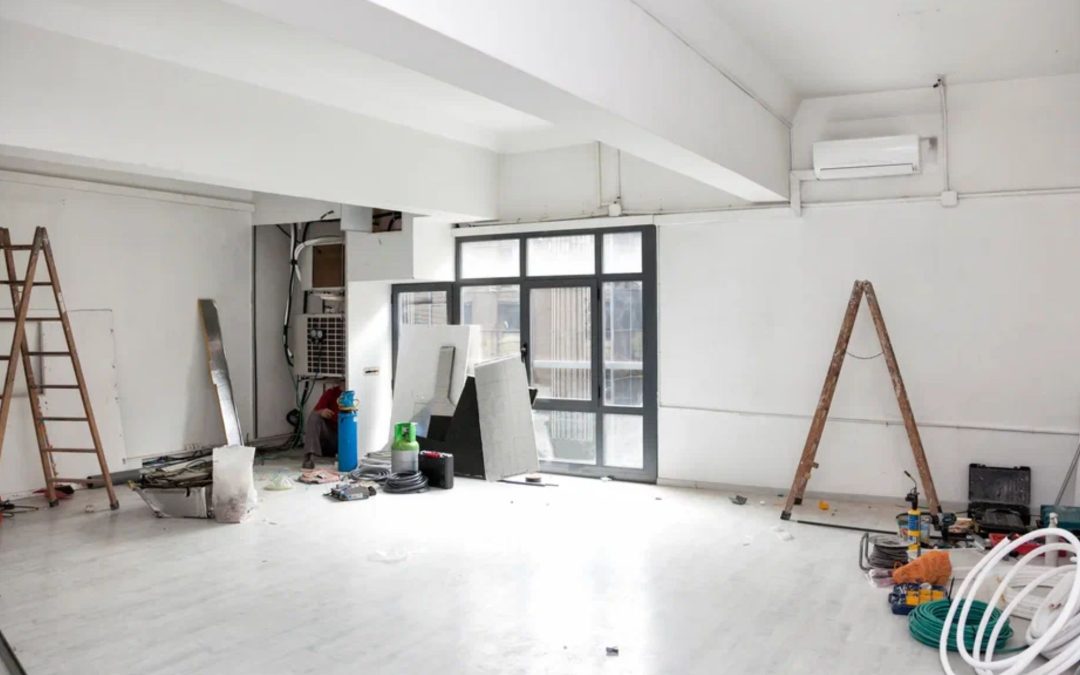
When businesses plan for commercial remodeling in Idaho Falls, maintaining operations becomes just as crucial as completing the renovation itself. A remodel can bring noise, dust, restricted access and scheduling conflicts that interrupt customer service and employee productivity. Fortunately, with the right strategies and planning, businesses can continue operating efficiently and protect their revenue during a remodel. Understanding how to manage downtime effectively ensures that the renovation enhances your business rather than halting it.
What steps should businesses take to minimize downtime during commercial remodeling in Idaho Falls?
Commercial remodeling in Idaho Falls requires structured planning that prioritizes both construction progress and ongoing business operations. Many companies remain fully open when they follow methods designed to protect workflows and customer movement.
Phase-based scheduling and occupiable areas
A phased construction plan divides your workspace into sections so only one portion undergoes remodeling at a time. While one zone is closed for renovation, the rest of your business continues functioning normally. This approach preserves customer access and business flow while allowing construction to move forward.
Off-hours construction and temporary relocation
Scheduling major work during evenings, weekends or slower seasons reduces impact on customers and employees. If certain operations cannot function near construction, temporary relocation of departments or services gives your team uninterrupted access to essential tools and space.
Clear communication and stakeholder alignment
Customer trust grows when they understand what is happening and how it affects them. Use signage, digital updates and internal communication platforms to keep everyone informed. Clear messaging reduces confusion and maintains a positive business environment.
Choosing the right contractor for minimal disruption
Your contractor should have experience working in occupied commercial environments. This ensures they understand noise control, debris management, access requirements and Idaho Falls tenant improvement scheduling. Contractors skilled in this area help reduce disruptions before they occur.
Why is a business continuity plan essential during commercial remodeling in Idaho Falls?
A business continuity plan establishes how your company will continue serving customers despite operational challenges. Applying it to remodeling ensures your business experiences predictable and manageable changes rather than unexpected shutdowns.
Defining a continuity plan for renovation
Your plan should address customer flow, safe alternate routes, staff relocation, backup utilities and temporary workspace needs. By establishing these steps before construction begins, your team can stay productive throughout each remodel phase.
Risk assessment and mitigation
Identify utilities, entrances, electrical systems, workstations and customer areas that must remain operational. Then coordinate with your contractor to schedule tasks that may interrupt these areas. Solving issues in advance dramatically reduces stress during construction.
Understanding revenue impacts
Unplanned downtime leads to lost revenue, extended remodel timelines and dissatisfied customers. A structured plan ensures the remodel enhances your business rather than restricting it.
How should businesses schedule tenant improvements to reduce business disruption remodel Idaho Falls?
The right schedule determines how smooth your remodel will be. Careful planning lets you shape construction around business operations instead of the other way around.
Establish a timeline with clear phases
Tie construction phases to your business’s slow periods or off-peak hours. Use a detailed schedule to understand when each space will be unavailable. This helps staff prepare and reduces last-minute surprises.
Manage tenant improvement scheduling
Tenant improvements require coordination between construction and daily operations. Define essential functions that cannot be interrupted. Arrange work so those functions have alternate setups or uninterrupted access.
Communicate traffic and access changes
Customers appreciate clarity when familiar entrances or routes change temporarily. Clear signage and staff guidance help maintain foot traffic and preserve customer satisfaction.
Temporary relocation or mobile operations
Shifting certain operations off-site or into mobile setups prevents service interruptions. For example, reception teams may work from a temporary front desk while the main lobby undergoes renovation.
What site controls help minimize downtime during commercial remodeling in Idaho Falls?
Site controls protect your staff, customers and productivity throughout the remodel.
Dust, noise and vibration management
Temporary barriers, controlled ventilation, specialized equipment and scheduled demolition work limit noise and dust. These steps maintain a safer and more comfortable business environment.
Utility outage planning
Coordinate power, water, HVAC or network shutdowns with your contractor to avoid business interruptions. Early planning enables temporary alternatives, such as portable climate control systems or scheduled overnight outages.
Safe pathways and signage
Clear safety routes, signs and alternative access points help customers and employees navigate your building safely. This ensures business flows smoothly even as areas temporarily close.
Using prefabrication to save time
Some construction elements can be fabricated off-site and installed quickly. This reduces on-site construction hours and shortens overall downtime.
What role do contract structure and internal coordination play in minimizing downtime?
Your remodel’s success is tied to communication, expectations and planning.
Design-build vs traditional construction
A design-build contractor provides architectural and construction services under one roof. This integrated approach speeds up decision-making, reduces delays and helps the remodel stay aligned with business needs.
Internal stakeholder communication
Every department must understand how the remodel impacts them. Coordination between operations, HR, IT and management ensures smooth internal transitions during each construction phase.
Contract clauses supporting continuity
Include clear expectations about scheduling, off-hour work, project phases, change orders and access accommodations. These provisions help avoid misunderstandings and protect your operations.
Contingency planning and budgeting
Set aside time and budget buffers for unexpected issues such as permitting delays or hidden structural problems. Planning ahead prevents extended downtime.
What metrics should businesses track during a remodel to evaluate downtime reduction?
Tracking performance helps maintain continuity and supports improvements.
Establish baseline performance
Before construction, measure customer volume, revenue, service times and employee efficiency. These numbers will help you understand the remodel’s real impact.
Monitor performance during the remodel
Watch for changes in customer experience, service delays, declines in productivity or bottlenecks in workflow. Identifying these issues early helps you address them quickly.
Conduct a post-project review
Compare data before, during and after the remodel. Evaluate whether downtime-reduction goals were met and fine-tune your approach for future upgrades.
Table: Downtime Reduction Strategies and Outcomes
| Strategy | Benefit |
| Phased construction | Keeps majority of business open |
| Off-hours scheduling | Reduces customer and staff impact |
| Temporary relocation | Protects essential operations |
| Controlled utility shutdowns | Prevents unexpected outages |
| Prefabricated systems | Accelerates build time |
| Structured communication | Improves customer experience |
What should Idaho Falls businesses look for when choosing a contractor to maintain operations during a remodel?
Select contractors who specialize in working within occupied commercial spaces. They must understand how to protect your business while delivering exceptional construction quality. Look for strong communication, structured daily planning and a track record of successful tenant improvement projects in the region.
FAQs
Q1: What is the best way for businesses to schedule a commercial remodel in Idaho Falls?
Use phased construction and off-hours work schedules to keep operations running while limiting disruption.
Q2: How long will downtime typically last during a remodel?
With proper planning, downtime can be minimal. Many businesses remain open during remodeling phases.
Q3: Are permits a source of delay in Idaho Falls commercial remodels?
Permit timing can affect schedules, so early submission and contractor coordination are essential.
Q4: How can businesses reassure customers during remodeling?
Use advanced communication, updated signage and easy-to-follow access routes to preserve customer confidence.
Q5: Should businesses choose contractors with business continuity experience?
Yes. Contractors with experience in occupied renovations are better equipped to maintain operations during construction.
Conclusion
Minimizing downtime during commercial remodeling in Idaho Falls requires careful planning, phased scheduling, strong communication and expert contractor support. A clear continuity plan empowers your business to remain open, serve customers and maintain productivity throughout the renovation process. At Remodel Professionals, we help Idaho Falls businesses complete successful remodels with minimal disruption. For personalized guidance, visit our contact page
