
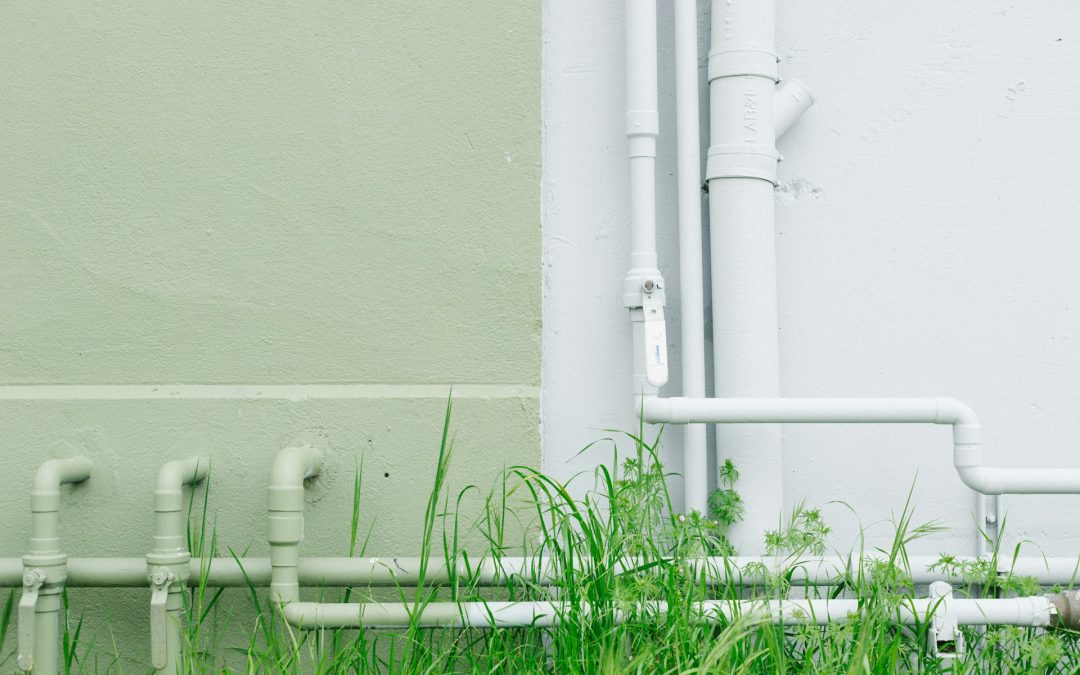
Frozen pipes are more than just an inconvenience; they can lead to significant damage to your home’s plumbing system, resulting in costly repairs and possible water damage. In a region like Idaho Falls and Bonneville County, where temperatures can dip well below freezing during the winter months, taking preventive measures to protect your pipes is essential. Whether you’re a homeowner, a property manager, or a tenant, knowing how to prevent and deal with frozen pipes is crucial to maintaining the safety and functionality of your home’s plumbing system.
In this comprehensive guide, we will provide a detailed checklist of steps you can take to both prevent and address frozen pipes, ensuring the smooth operation of your plumbing system throughout the winter season. Our expert advice and practical tips, paired with the knowledge and services offered by Remodel Professionals of Idaho, will empower you to safeguard your home or commercial space against the risks and expenses associated with frozen pipes. So, let’s dive in and explore how you can avoid the headache of frozen pipes and keep your plumbing in top condition this winter.
Preventive Measures: Shielding Your Pipes from the Freeze
To avoid the inconvenience and potential damage caused by frozen pipes, it’s crucial to take preventive measures before the winter season arrives. By properly insulating and preparing your plumbing system, you can minimize the risk of freezing and ensure that your water supply remains uninterrupted.
– Insulate Exposed Pipes: Protect pipes located in unheated areas, like crawl spaces, basements, garages, and attics, by insulating them with pipe sleeves, heat tape, or even newspaper.
– Seal Gaps and Cracks: Ensure any gaps or cracks around pipes that pass through exterior walls are sealed with caulk or expanding spray foam to prevent cold air from reaching the pipes.
– Disconnect Outdoor Hoses: Disconnect and drain any garden hoses, and close the indoor shut-off valve leading to outdoor faucets. Consider installing frost-proof hose bibs as an added layer of protection.
– Keep Garage Doors Closed: If there are water supply lines running through your garage, keep the garage doors closed to maintain warmer temperatures inside.
Maintain a Consistent Indoor Temperature
Regulating your indoor temperature both day and night can help prevent pipes from freezing and bursting. This is particularly vital during severe cold snaps when the risk of freezing is at its highest.
– Set Your Thermostat: Keep your thermostat at a consistent temperature both day and night. Experts suggest setting it no lower than 55 degrees Fahrenheit, even if you plan on leaving your home for an extended period.
– Open Cabinet Doors: By opening cabinet doors that house pipes, you allow warm air to circulate and reach those otherwise concealed areas, reducing the likelihood of freezing.
– Utilize Space Heaters: For especially vulnerable areas, like uninsulated basements or crawl spaces, consider using a space heater to maintain a warmer temperature and protect pipes from freezing.
Prepare Your Plumbing System for Vacation
If you plan on leaving your home for an extended period during the winter, it’s essential to prepare your plumbing system to avoid any potential issues related to frozen pipes.
– Drain the System: Turn off the main water shutoff valve and then open all faucets to drain any remaining water from the pipes.
– Maintain a Warm Temperature: Set your thermostat no lower than 55 degrees Fahrenheit while you’re away to help keep your home’s interior warm enough to prevent frozen pipes.
– Ask for Assistance: Consider asking a trusted neighbor or friend to check in on your home periodically to monitor for any potential issues.
Dealing with Frozen Pipes: Immediate Actions and Recovery
Despite taking preventive measures, frozen pipes can still occur under extreme conditions. If you suspect that your pipes have frozen, it’s essential to act quickly and take the necessary steps to prevent further damage.
– Locate the Frozen Pipe: Begin by figuring out which pipe is frozen. Look for visible signs of freezing, like frost on the exterior of the pipe, or areas that feel colder to the touch.
– Shut Off the Water Supply: Turn off the water supply at the main shutoff valve to prevent any potential leaks or bursts as you work to thaw the frozen pipe.
– Apply Gentle Heat: Use a hairdryer, heat lamp, or portable space heater to slowly and gently warm the frozen pipe. Avoid using open flames or excessive heat, as these can cause further damage to the pipes or pose a fire hazard.
– Repair or Replace Damaged Pipes: If a pipe bursts, quickly shut off the water supply and contact a professional plumber to assess the damage and determine whether repair or replacement is necessary.
Professional Assistance and Expert Advice
When dealing with frozen pipes, it’s crucial to know when to seek professional help. While thawing a frozen pipe on your own may be possible, assessing the condition of your plumbing system and addressing any leaks or damage caused by freezing should be left to an experienced plumber.
– Hire a Licensed Plumber: A licensed plumber can thoroughly inspect your plumbing system, pinpoint any potential issues, and offer expert advice on the best course of action for dealing with frozen pipes.
– Make Necessary Repairs or Upgrades: Depending on the extent of the damage to your plumbing system, a professional plumber may recommend repairs or upgrades to ensure long-term protection against freezing and bursting pipes.
– Winterize Your Home: Consult a professional about winterizing your home to enhance insulation, improve energy efficiency, and protect your plumbing system against future freezing issues. This can include updating your insulation, sealing drafts, and installing pipe insulation or heat tape.
With this comprehensive checklist, you can take the necessary steps to prevent and address frozen pipes this winter season. By being proactive, you can safeguard your Idaho Falls or Bonneville County home against costly repairs and damage due to freezing pipes.
Protect Your Idaho Falls Home with Confidence
As a homeowner in Idaho Falls or Bonneville County, understanding how to prevent and address frozen pipes is essential to maintaining a safe and functional living space during the winter months. By following this comprehensive checklist and seeking professional assistance when necessary, you can confidently protect your home and plumbing system against the costly and damaging effects of freezing pipes.
If you need expert advice or assistance when it comes to dealing with frozen pipes, the skilled team at Remodel Professionals of Idaho is here to help. With their experience in commercial remodeling, tenant improvements, and home remodeling, they have the knowledge and resources to ensure your plumbing system is in top shape for the winter season. Contact Remodel Professionals of Idaho today to discuss your bathroom remodeling needs and safeguard your home against the challenges of frozen pipes.
