
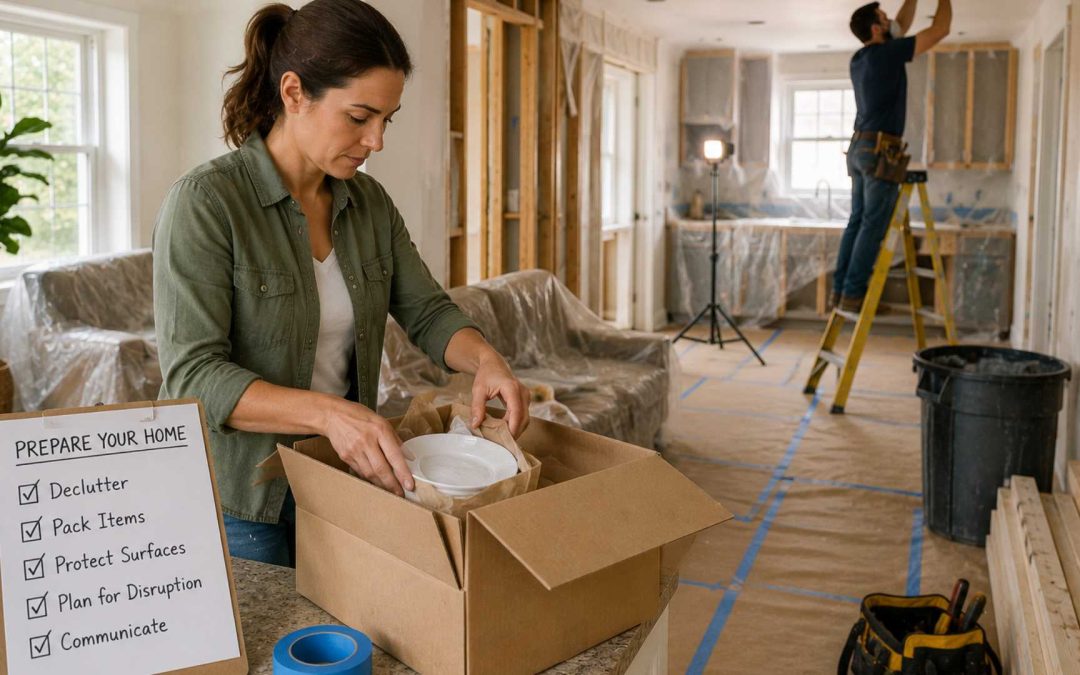
A major remodeling project is exciting, but it also brings weeks of construction, dust, and disruption into your daily life. The homeowners who enjoy the smoothest experience are almost always the ones who prepared well before the first hammer swung. Preparation reduces stress, protects your belongings, keeps your family comfortable, and helps the project stay on schedule. When you plan ahead, you turn what could be a chaotic few weeks into a well managed process.
Good preparation also benefits the working relationship with your contractor. A home that is ready for work allows the crew to move efficiently and focus on quality rather than working around obstacles. It sets clear expectations for everyone involved and minimizes the small frustrations that can add up over the course of a renovation.
Whether you are searching for home remodeling near me or already have a start date on the calendar, the steps below will help you get your home and your household ready for a major remodel, so the entire experience feels organized and stress free.
Create a Remodeling Plan
1. Define Your Goals
Before anything else, get clear on what you want to achieve. Are you improving functionality, updating the look, adding space, or increasing your home’s value? Defining your goals guides every decision that follows and keeps the project focused.
2. Set Your Budget
Establish a realistic budget that includes a contingency for unexpected costs. Knowing your financial boundaries up front helps you make confident choices about materials and scope without overextending yourself.
3. Establish Priorities
Decide which elements are non negotiable and which are flexible. When you know your priorities, you can direct your budget toward what matters most and make trade offs elsewhere without regret.
Finalize the Design Before Construction
One of the most important steps is locking in the design before construction begins. Finalize your materials, finishes, layout, and fixtures so the crew has a complete roadmap to follow. Changes made after work starts are far more expensive and disruptive than decisions made in the planning stage.
Take the time to review samples, confirm selections, and approve the plan while everything is still on paper. A finalized design keeps the project on budget and on schedule, and it gives you confidence that the finished result will match your vision.
Working with a design build remodeling team makes this stage seamless, since design and construction are coordinated under one roof.
Prepare Your Living Arrangements
A major remodel often affects the rooms you rely on most. If your kitchen is being renovated, set up a temporary kitchen in another room with a microwave, refrigerator, and basic supplies so you can still prepare simple meals. If a bathroom is involved, plan for access to another bathroom in the home.
For extensive whole home projects, consider whether alternative accommodations are necessary for part or all of the work. Thinking through these arrangements in advance prevents daily frustration and keeps your household functioning throughout the project.
Remove Furniture and Valuables
Clear the work area and surrounding spaces of furniture, decor, and valuables before the crew arrives. Moving these items protects your belongings from dust and accidental damage and gives the workers room to operate safely and efficiently.
Pay special attention to fragile and irreplaceable items, relocating them to a secure part of the home well away from the construction zone. Taking the time to remove and protect your possessions is one of the simplest ways to avoid unnecessary losses during a remodel.
Protect Floors and Adjacent Rooms
Even with careful work, dust and debris travel. Professional remodelers set up dust barriers, floor coverings, and plastic sheeting to contain the mess and shield the rest of your home. You can support these efforts by clearing pathways and confirming with your contractor how they plan to protect adjacent rooms.
Proper containment keeps dust from spreading through the house and protects finished surfaces from scratches and damage. This step makes a noticeable difference in how clean and comfortable your home stays during the project.
Plan for Pets and Children
Construction zones present real safety concerns for pets and children. Tools, materials, dust, and open work areas can be hazardous, so establish restricted work zones that keep little ones and animals safely away. Consider how the noise will affect them and plan quiet spaces or time away from home during the loudest phases.
For pets that are easily stressed, a calm room or a stay with a friend during major work can help. Planning ahead for your family’s youngest and furriest members keeps everyone safe and reduces stress for the whole household.
Inform Neighbors
A courteous heads up to your neighbors goes a long way. Let them know the construction schedule so they can anticipate noise and activity. Discuss parking considerations, since crews and deliveries may occupy space on the street for periods of time.
Setting clear noise expectations helps maintain good relationships and prevents misunderstandings during the busiest days of the project. A little communication up front keeps your neighbors informed and on your side throughout the remodel.
Prepare for Utility Interruptions
Major remodels sometimes require temporary interruptions to essential services. Water may be shut off during plumbing work, electricity during electrical updates, and gas during certain installations. Internet and cable lines can also be affected if walls are opened.
Ask your contractor when these interruptions are likely and plan around them, especially if you work from home or rely on specific services. Knowing what to expect allows you to prepare, whether that means adjusting your schedule or arranging temporary alternatives.
Establish Communication With Your Contractor
Clear communication is the backbone of a successful remodel. Agree on how you will receive project updates and how often, so you always know where things stand. Establish a decision making process for questions that arise during the work, identifying who has authority to approve choices to keep things moving.
Discuss how change orders will be handled if you decide to adjust the scope, including how they affect cost and timeline. A strong communication plan prevents confusion and keeps the project running smoothly from start to finish.
Expect the Unexpected
Even the best planned remodel can encounter surprises. Delays sometimes happen due to weather, inspections, or scheduling. Hidden damage such as old wiring, plumbing issues, or water damage may be discovered once walls are opened.
Material availability can occasionally affect the timeline when specific products are back ordered. Approaching your project with flexibility and a contingency in your budget helps you handle these situations calmly. An experienced contractor will guide you through any surprises and keep the project on track toward a beautiful finish.
Conclusion
Preparing your home before a major remodeling project makes the entire experience smoother, safer, and less stressful. By creating a solid plan, finalizing your design, arranging your living situation, protecting your belongings and your home, and planning for your family, your neighbors, and possible surprises, you set the stage for a successful renovation.
Preparation is the foundation on which a great remodel is built, and the effort you put in beforehand pays off in a calmer, more organized project.
Frequently Asked Questions
How should I prepare my home before remodeling?
Start by finalizing your design and budget, then clear the work area of furniture and valuables. Arrange temporary living solutions for affected spaces, plan for pets and children, and inform your neighbors of the schedule.
Confirm how your contractor will protect the rest of your home and how you will communicate throughout the project.
Should I move out during renovations?
It depends on the scope. For a single room remodel, most homeowners stay in their home. For extensive whole home projects that affect kitchens, bathrooms, and utilities for an extended period, temporary accommodations may be more comfortable. Discuss the timeline with your contractor to decide what makes sense for your situation.
How can I reduce dust during remodeling?
Professional remodelers use dust barriers, plastic sheeting, and floor coverings to contain dust, and many use air filtration during the work. You can help by clearing the area, keeping doors to unaffected rooms closed, and changing your HVAC filters more frequently.
Discuss dust control measures with your contractor before the project begins.
What should I pack away?
Pack away fragile items, valuables, electronics, decor, and anything stored in or near the work area. Relocate these belongings to a secure part of the home away from the construction zone. Clearing the space protects your possessions from dust and damage and gives the crew room to work efficiently.
How can I keep my family safe?
Establish restricted work zones that keep children and pets away from tools, materials, and open construction areas. Plan for the noise and consider quiet spaces or time away during the loudest phases.
Communicate safety boundaries clearly with everyone in the household and confirm the crew’s safety practices with your contractor.
Partner With Remodel PRO for a Stress Free Remodel
A successful remodel starts with expert planning, and that is exactly what Remodel PRO provides. Serving homeowners throughout Eastern Idaho, our NARI certified team delivers organized planning, professional project management, and premium craftsmanship for kitchens, bathrooms, basements, additions, and whole home transformations.
We guide you through every step, from finalizing your design to managing the construction process, with the transparent communication that makes remodeling feel effortless. When you work with us, you gain a partner committed to protecting your investment and delivering exceptional results. Contact Remodel PRO today or request a consultation online to plan your project and enjoy a stress free remodeling experience.